
Fitness “Influencers” vs Professionals: Who Should I Listen To?
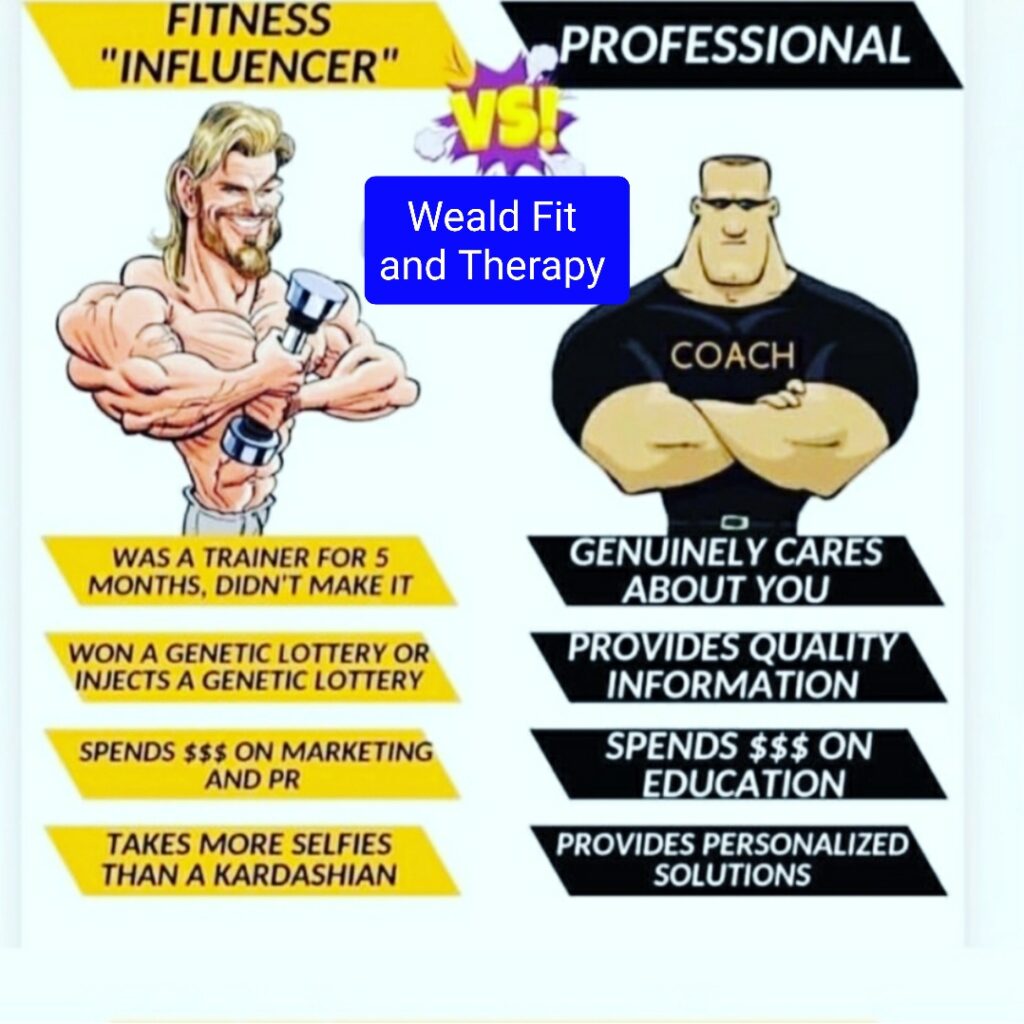
What actually is an Influencer?
According to influencermarketinghub.com, an influencer is someone who has:
– The power to affect the purchasing decisions of others because of his or her authority, knowledge, position, or relationship with his or her audience.
– A following in a distinct niche, with whom he or she actively engages. The size of the following depends on the size of his/her topic of the niche.
Over the last 10 years social media grown rapidly in importance and usage. According to the “We Are Social” report made in January 2021, 3.484 billion people actively use social media – that’s 45% of the world’s population. Therefore, these social media users will consciously or subconsciously have their decisions affected by what they see or hear on social media. Brands love social media influencers because they can create trends and encourage their followers to buy products they promote.
Whats a Fitness Professional?
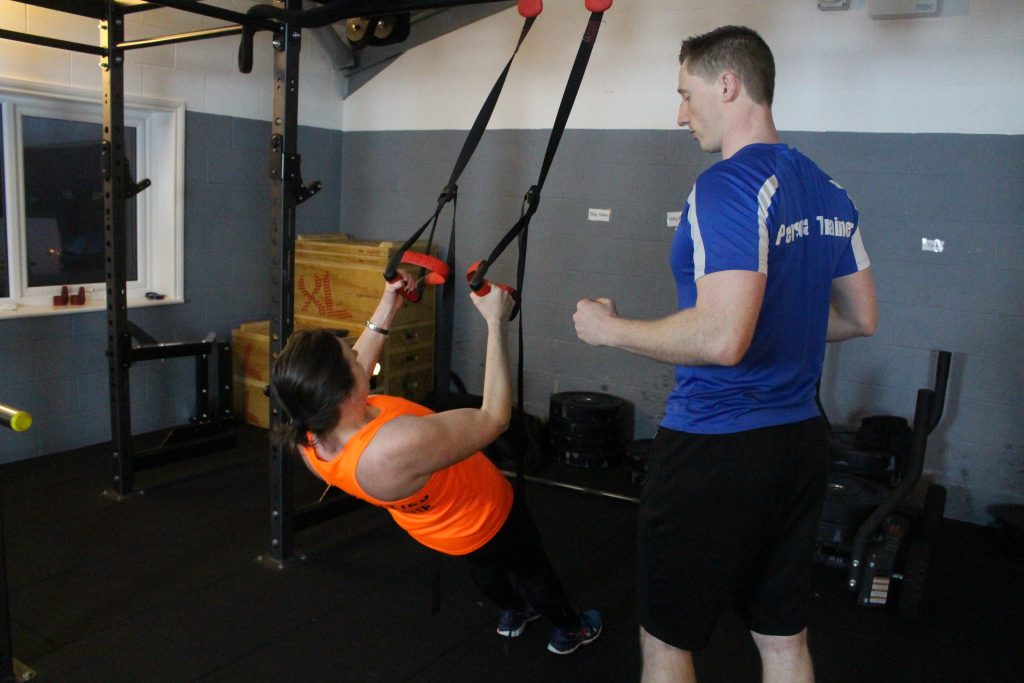
According to Wikipedia, a Fitness Professional or Coach is a professional in the field of fitness and exercise, most often instruction (Fitness Instructor or Personal Trainer), including professional sports trainers and authors of fitness instruction books or manuals. They can help you with nutrition, weight-loss, and self-help. Fitness professionals screen participants for exercise programs, evaluate various fitness components, prescribe prescribe exercise to improve these components, and may also help clients with specific or chronic conditions. Fitness professionals help challenge an individual by increasing their performance, as compared to when a person would work out on their own. They also teach new workouts, how to improve their form, performance and help set and achieve fitness goals.
The key roles and duties of a fitness professional are to:
– Motivate
– Assist clients
– Measure heart rates and body fat levels
Trainers need to be patient, well organised and have time management and interpersonal skills. A Fitness Professional should be maintaining their credentials by pursing continuing education and professional development that are fundamental to professionalism in the fitness industry. Clients count on their knowledge and expertise to help them reach their goals without injury. In an industry where sweating is part of your job description, you may find it challenging to find a balance between professional appearance and job performance. Good personal hygiene, clean and modest clothing in good condition, clean professional footwear, and neatly groomed hair all serve to offset the rigors of what is a highly physical job. Now, with Covid-19, professionalism within hygiene and sticking to the social distancing guidelines is more important than ever!
Fitness influencers on social media are people who have built a reputation and believed to have knowledge and expertise in the fitness industry, which could be perceived by the way they look. They make regular posts about fitness aspects and products on their preferred social media channels and generate large followings of enthusiastic, engaged people who pay close attention to their views. But what are their motives? In this authors opinion, its only financial gain. How concerned are Influencers with the health and wellbeing of their followers, and who buy the products they are endorsing? However anything that motivates someone to start looking after themselves, to think about health, fitness and exercise must be a positive. Fitness Professionals are qualified, waho should have the latest information to help their clients achieve their target goals.
Who should you listen to?
