
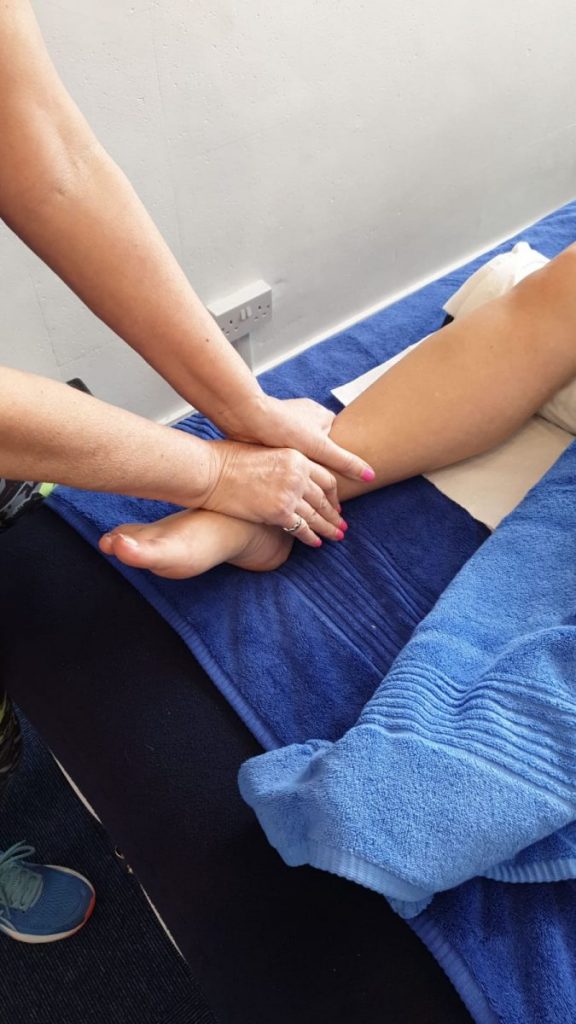
Manual Lymphatic Drainage
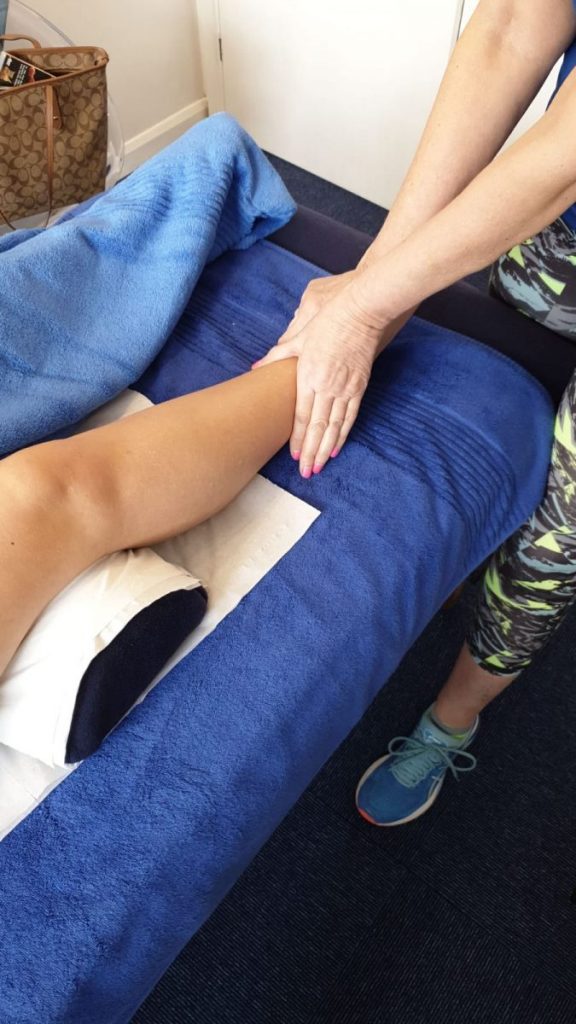
What exactly is Manual Lymphatic Drainage?
The original method of “MLD” was pioneered & developed by Emil Vodder PhD & his wife Estrid in the 1930’s, as a method of moving lymph fluid out of tissues & along to the nearest lymph nodes to be filtered.
Vodder was born in Copenhagen in 1896, studying at the University there reading Biology, Minerology & Botany. During his time there he became interested in physical medicine, but never completed his studies due to an onset of malaria. He was actually awarded his PhD by the University of Brussels in 1928 because of his thesis on Historical Art!
In 1933, Vodder & his wife moved to Paris where they continued their biological studies with a particular interest in the Lymphatic System about which, very little was understood. It was following this research that a system of using light pressures, pumping actions & circular movements was presented during a Paris congress of 1936.
However it was not until the early 1950’s that MLD received any recognition at all from the wider medical community. It was not until much later in the 60’s that a German GP, Dr Asdonk, took an interest in Vodder’s work & recognised the importance of his methods. The two gentlemen, along with Gunter Wittlingmer founded the “Association of Dr. Vodders Manual Lymphatic Drainage” in 1967, setting up the first school to teach his methods of MLD in Walchsee Austria during 1972.
Conditions commonly treated by Manual Lymphatic Drainage
Since then MLD has been widely used to:
- Reduce the effects & impact of lymph removal or damage e.g. swelling of the arm post breast cancer surgery
- Assist with healing & reduction of swelling following cosmetic surgery e.g. face lifts
- Soften scars & the surrounding tissue
- Assist in moving “Primary Lymph Oedema” of the legs
- Reduce the effects of chronic or recurrent rhinitis / catarrh
- Relive the effects of habitual constipation
Appointment duration may vary according to the specific treatment requirements
“Not a lot of people know that”!
Everyone knows that the heart is basically a pump that pushes blood carrying oxygen around the body, receiving deoxygenated blood back before sending it around to the lungs to be replenished with oxygen so the process can begin again. However, the blood circulation is only one part of the vascular system – the Lymphatic System is the other.
As blood circulates through the smallest vessels, the capillaries, fluid passes through their thin walls into the tissues to bathe individual cells with nutrients. Acid absorbs the cells’ waste products, some of which returns into the blood capillaries but the majority is collected up by vessels that form the Lymphatic System. These vessels contain lymph, a straw coloured fluid somewhat resembling blood plasma. Lymph contains sugar, glucose, some absorbed fats, plasma protein, urea & lymphocytes. Blind ended tubes, called lymphatic capillaries arise in spaces between minute blood vessels and the lymph fluid collected is then passed through larger vessels until they pass through a Lymph Node. These are oval or bean shaped, where the lymph fluid is filtered & vitally important lymphocytes are formed before exiting to continue through larger lymph vessels until the fluid arrives at the systems two main vessels, the Thoracic Duct and the Right Lymphatic Duct. There, final purification takes place and the cleansed fluid is returned to the blood circulation.
Lymph transport is unidirectional and is at a very low pressure. It is propelled along by the squeezing movement blood vessels and skeletal muscles only; there is no “pump” involved.
So what does the Lymphatic System actually do?
* It transports lymphocytes from the lymph nodes to the circulation
* It filters out and destroys micro-organisms to prevent the spread of infection
* It produces anti-bodies to prevent subsequent infection
* It returns proteins & fluid from the tissues to the blood supply
* It carries fatty foods from the intestines to the blood circulation
All vitally important tasks!
However, there are times when this lymph fluid can be a nuisance, an example being when an ankle is twisted or turned over i.e. a sprain (damage to the supporting ligaments that surround the joint structure). The initial spilled fluid from the injury is mostly reabsorbed or utilised to begin repairing the damage. However bit is the secondary oedema, being an additional accumulation of lymph fluid, which causes the severe swelling and frequently accompanies a sprain that causes problems, thereby inhibiting the healing process and preventing a return to free joint movement.
Swollen tissue over an extended period of time is not healthy and can lead to cell degeneration, inadequate nutrient exchange and the development of adhesions so causing further movement restrictions.
Early drainage of lymph fluid from the injury site is crucial for successful rehabilitation and can be stimulated to flow manually by massage, which would include Manual Lymphatic Drainage techniques.
Please click here to book a treatment.
